
Where off-grid CCTV offers best value
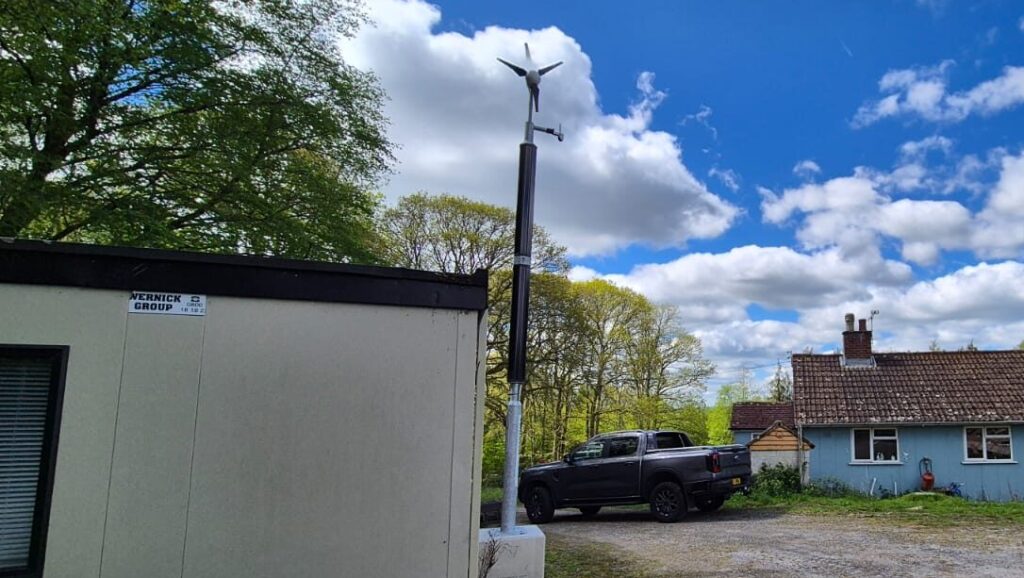
Security requirements do not always arise in convenient places. The area that needs monitoring might be a remote compound, a new site entrance, an overflow car park, a storage area or a vulnerable boundary – precisely the places where fixed power, network cabling or permanent CCTV may be difficult to provide. On many sites, extending […]
RAF Leeming
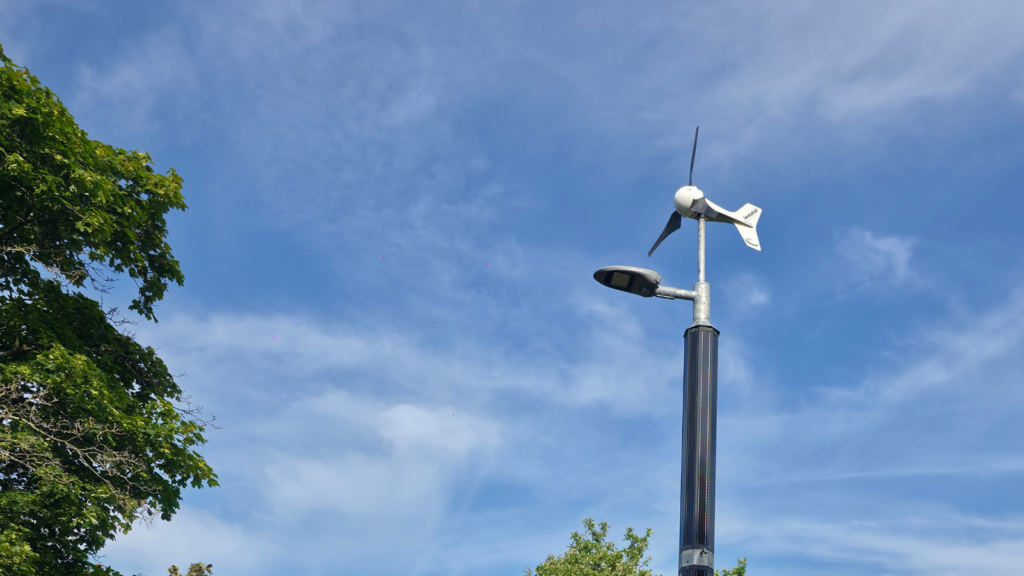
Trialling hybrid off-grid lighting in support of Net Zero estate ambitions As defence estates continue to modernise, infrastructure decisions are increasingly being assessed not only on cost and operational need, but also on their contribution to wider sustainability objectives. At RAF Leeming, the failure of underground cabling created a need to restore lighting to part […]
Where permanent off-grid lighting makes practical sense
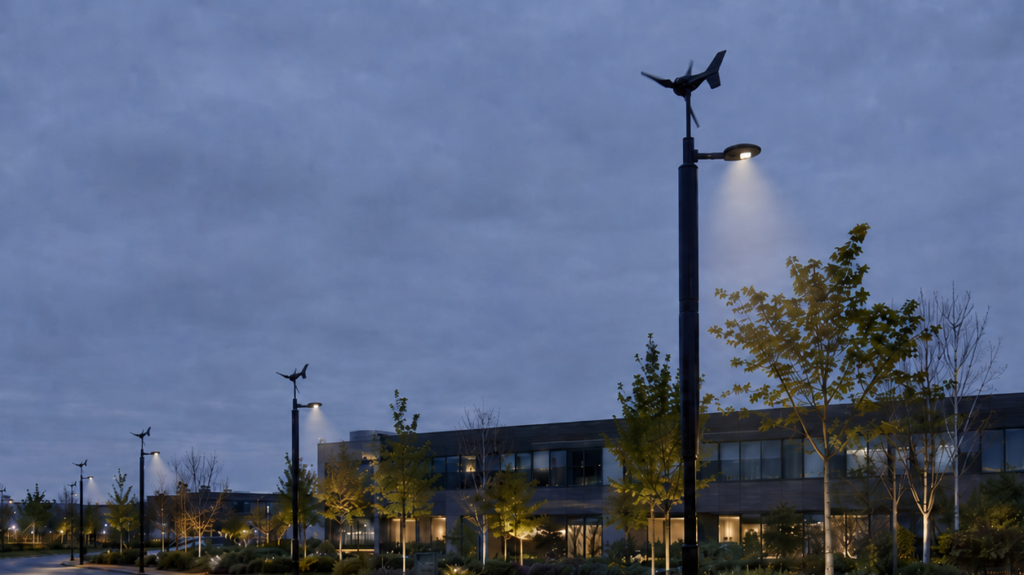
Permanent lighting is usually treated as a mains-power decision by default; once a requirement is identified, it’s almost an automatic next step to begin thinking about trenching, ducting, cabling and connection. On many sites, this is an entirely sensible way to proceed. But in remote, peripheral or hard-to-power locations, bringing electricity to the lighting point […]
Low-carbon temporary lighting: meeting planning conditions and ESG targets
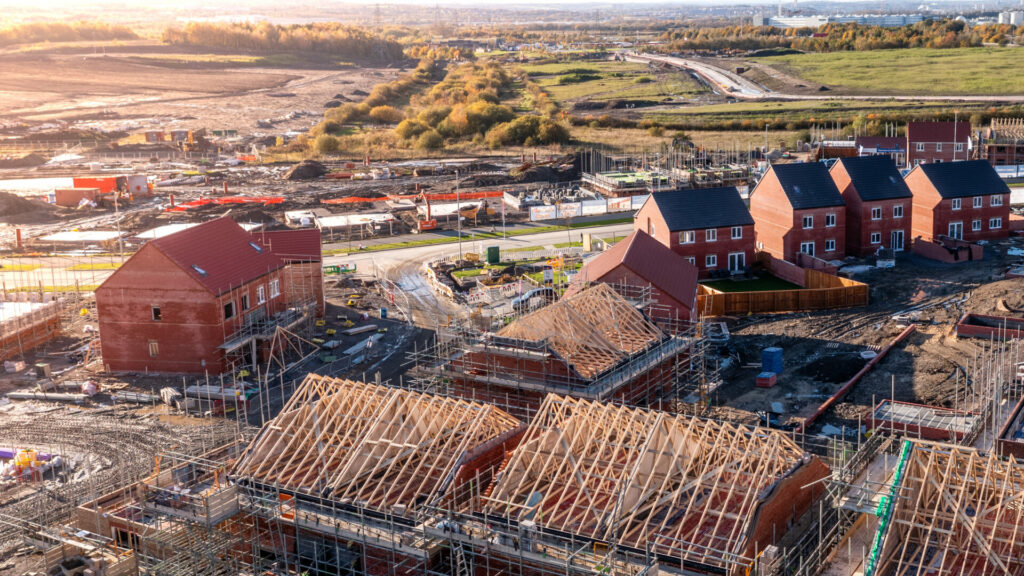
Temporary lighting has traditionally been treated as a short-term operational necessity. It was procured for lux levels, positioned where power allowed, and rarely discussed beyond safety compliance. That mindset is changing. Low-carbon temporary lighting is increasingly being specified not just for illumination, but because it supports planning compliance, strengthens ESG reporting and reduces environmental management […]
Why temporary lighting programme risk is often underestimated
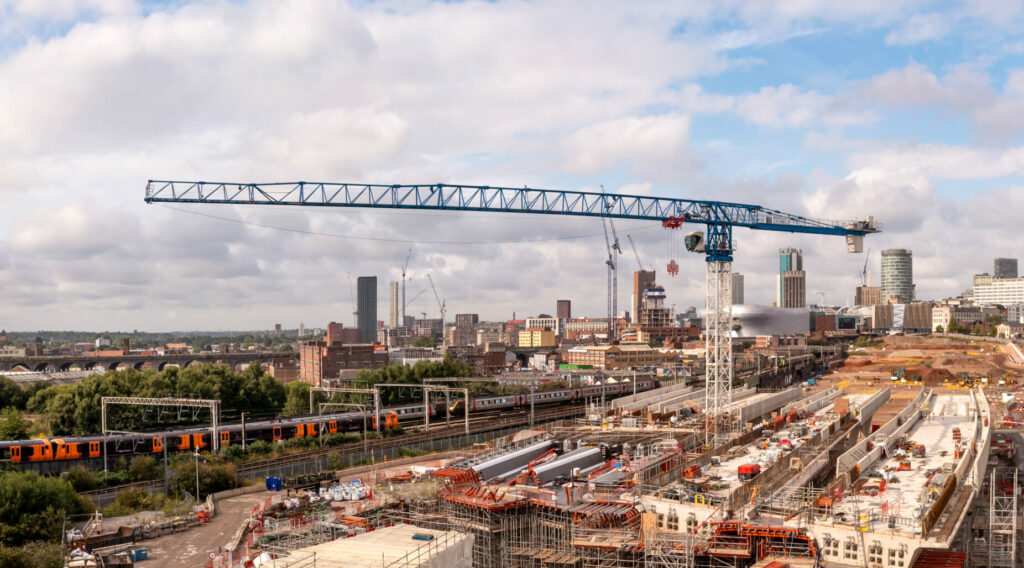
Temporary lighting rarely features on a programme risk register, yet temporary lighting programme risk is often embedded in delivery plans without being recognised as such. It usually sits quietly on a hire sheet: ordered, delivered and assumed to be handled. That assumption is where risk creeps in. Lighting is often treated as ‘set and forget’, […]
Cut installation and power costs with hybrid solar-wind site lighting
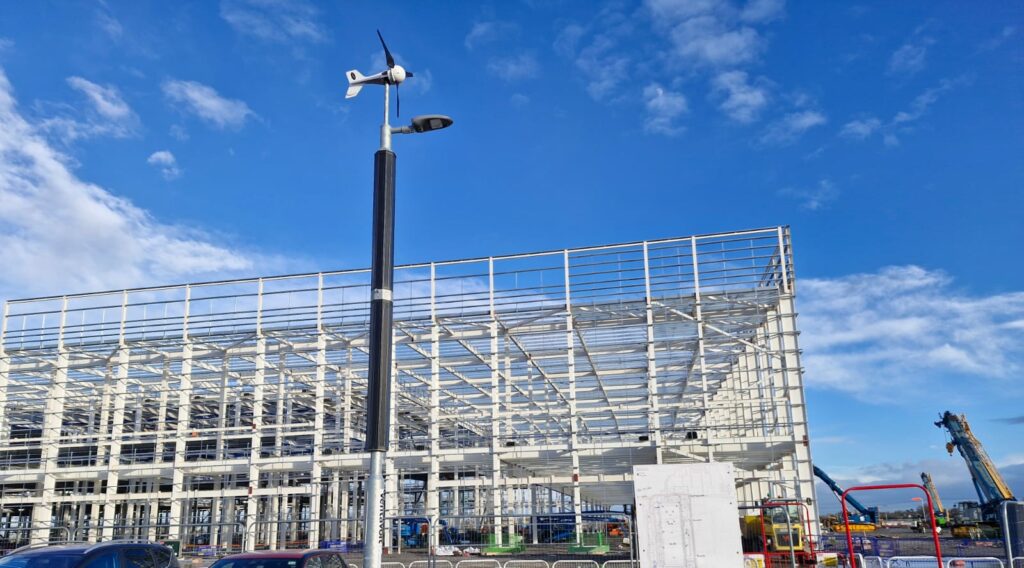
Permanent lighting is usually treated as a mains-power decision by default; once a requirement is identified, it’s almost an automatic next step to begin thinking about trenching, ducting, cabling and connection. On many sites, this is an entirely sensible way to proceed. But in remote, peripheral or hard-to-power locations, bringing electricity to the lighting point […]
Solar-only vs hybrid solar-wind lighting towers
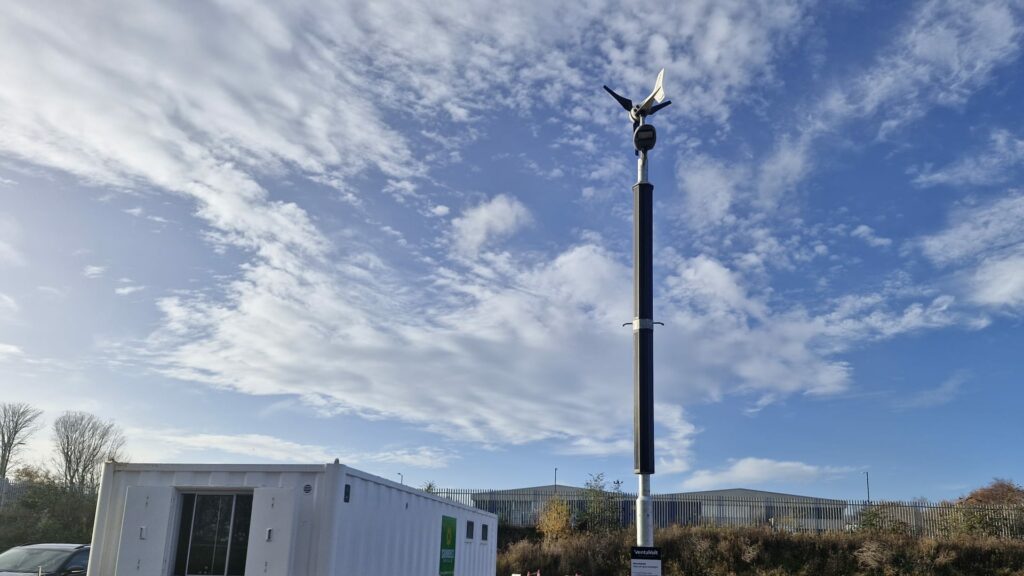
“We tried solar-only lighting towers – they were fine until the weather turned.” This is the sort of comment that comes up again and again when talking about winter construction site lighting. Through spring and summer, solar-only lighting towers often perform exactly as expected. Then autumn arrives, the clocks go back, and suddenly batteries drain […]
Diesel-free winter lighting: cutting risk, cost and hassle

By mid-afternoon on a UK site in January, the light drops faster than the workload – and the case for diesel-free lighting towers becomes hard to ignore. Plant is still moving, deliveries are still arriving, subcontractors are still trying to finish tasks before handover, and in the background generators rumble away, feeding diesel towers that […]
Power stronger BREEAM V7 evidence with off-grid lighting
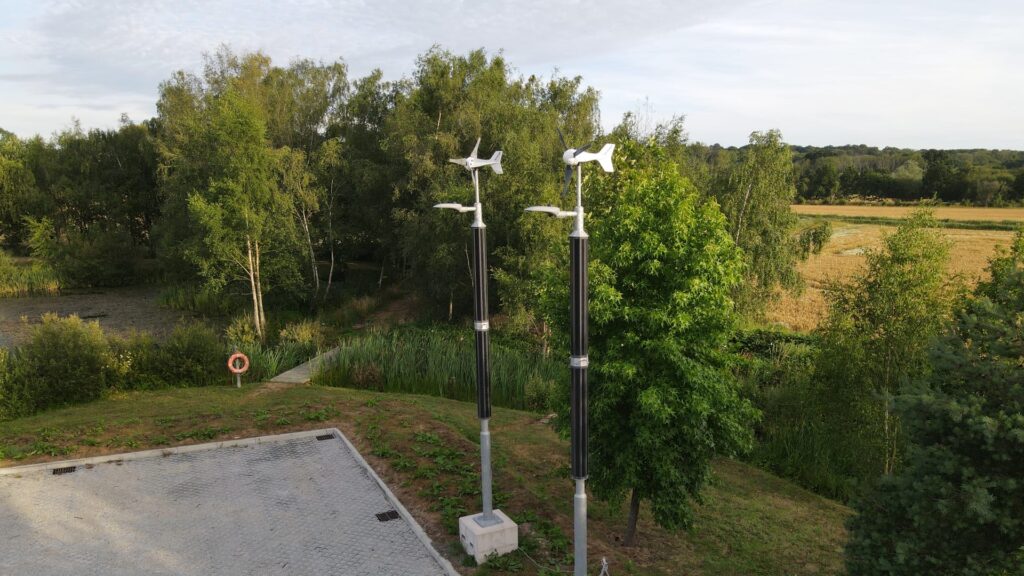
BREEAM Version 7 for New Construction – which came into effect on 30th September 2025 – putting more emphasis on demonstrable performance during construction than the previous incarnation of the sustainable building standard. Following a full technical review, combining the latest energy and carbon science, current industry standards and structured stakeholder consultation, Version 7 revises key […]
Darkness is coming: don’t leave it too late to prepare for the winter season
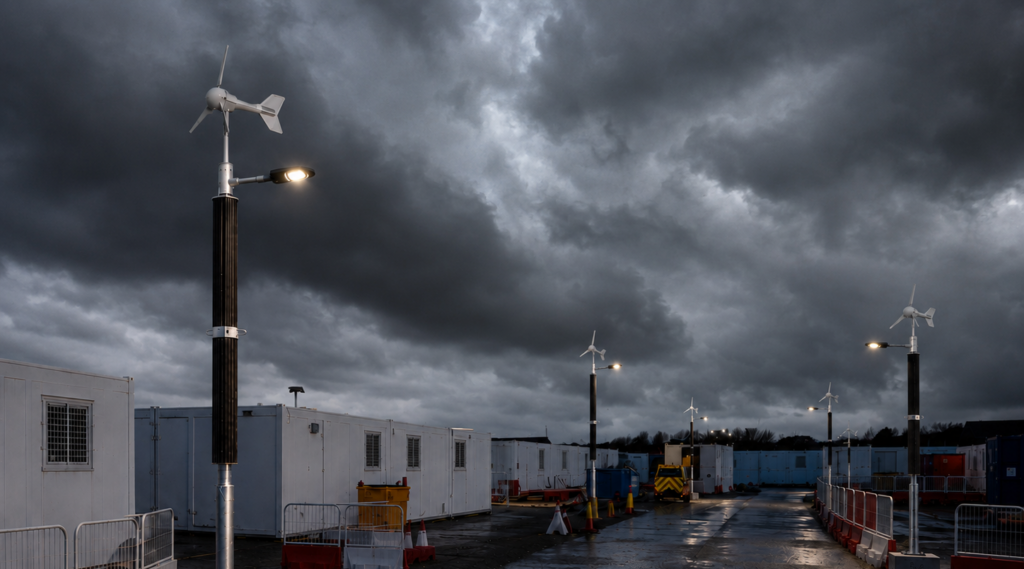
Every year, the clocks shift back, the days shorten and suddenly the familiar challenges of autumn and winter hit the ground running. For those working on construction sites, infrastructure projects or outdoor operations, this change has a direct impact on productivity, safety and deadlines. By late October, the loss of daylight is unavoidable. Mornings start […]