Reducing site lighting complexity at Oxford station
Oxford Station is a key transport interchange for the city and wider county, as well as an important part of the UK freight network. Kier Group was appointed by Network Rail to deliver the £65m main works package as part of the Oxford Corridor Phase 2 project, now known as Oxfordshire Connect.
The project includes major improvements to station capacity, access and passenger facilities, including works around Botley Road, a new platform, improved western entrance and wider station upgrades. The wider programme is intended to deliver long-term economic and social benefits for the region, while improving the way the station supports both passenger and freight movement.
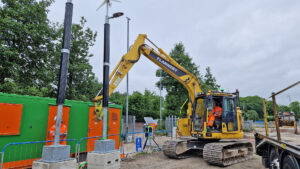
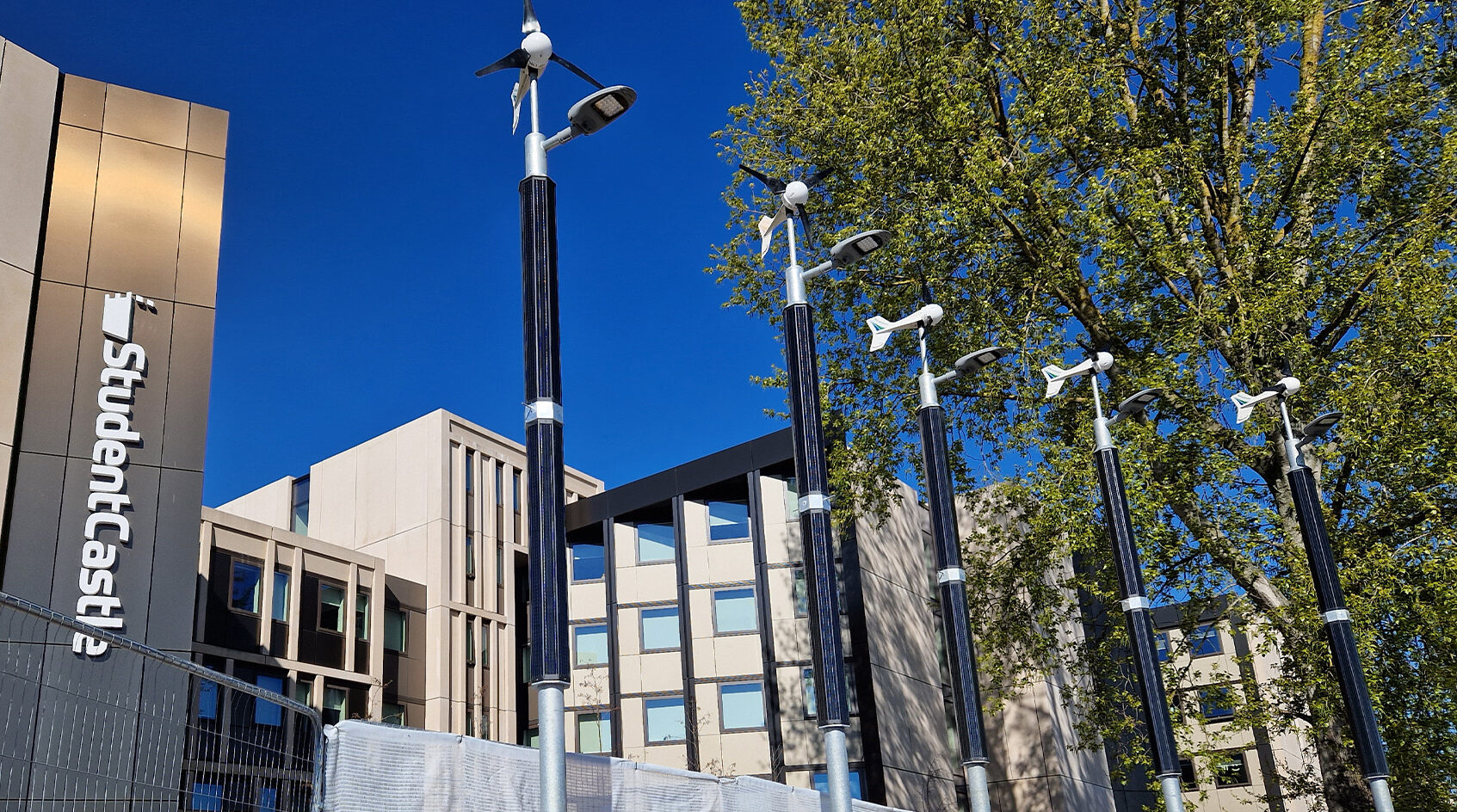
To support Phase 2 works for the carriage sidings at Roger Dudman Way, Kier Infrastructure worked with VentaVolt to deploy four ReLuminate® solar-wind lighting units. The lights provided off-grid illumination to support safe and practical site operations without the need for traditional power connections, fixed cabling or permanent groundwork.
The challenge
The Oxford Station works took place in a busy city-centre transport environment, where construction activity needed to be managed around rail operations, local movement, neighbouring businesses, residents and wider stakeholder expectations.
Temporary lighting in this type of setting needs to do more than provide illumination. It must support safe site access and working conditions while avoiding unnecessary disruption, installation complexity or visual impact.
The lighting also needed to remain dependable through changing weather conditions and seasonal light levels, supporting site activity without creating additional management requirements for the project team.
For the Roger Dudman Way works, the lighting requirement needed to reflect several practical constraints:
- A live infrastructure setting with multiple stakeholders
- A need for reliable illumination to support construction activity
- Limited appetite for unnecessary groundworks or cabling
- The ability to reposition lighting as project needs changed
- Reduced reliance on grid power or temporary electrical infrastructure
- Controlled light coverage to reduce unnecessary glare, spill and visual impact
- Sensitivity to neighbouring communities and local habitats in a busy city-centre setting
The solution
VentaVolt supplied four ReLuminate® solar-wind lighting units for the Phase 2 works at Roger Dudman Way.
The units use a combination of solar and wind generation, supported by onboard energy storage, to provide off-grid lighting throughout the year. Once positioned, they operated independently, helping to reduce the need for manual intervention and simplifying lighting management on site.
Each unit provides up to 500m² of light coverage, offering efficient illumination with fewer columns than a traditional temporary lighting approach. The system requires about 20% fewer columns, reducing the number of light sources needed and helping to limit visual impact on the surrounding area.
Because the units do not require traditional groundworks for installation, they were well suited to a constrained infrastructure environment. They could also be relocated using a forklift or similar equipment, giving the site team flexibility as works progressed.
The self-cleaning design also helps reduce maintenance requirements, supporting durability and performance while limiting the need for routine intervention on site.
Practical outcomes
The ReLuminate® units provided a practical lighting solution for a project where flexibility, safety, sustainability and stakeholder management were all important.
Reduced installation complexity
The lights avoided the need for fixed cabling or traditional groundwork, helping to reduce labour, installation time and disruption in a constrained station environment.
Flexible positioning
The units could be relocated using a forklift or similar equipment, giving the site team speed and agility as construction requirements changed.
Off-grid operation
By operating independently of grid power, the lights reduced reliance on temporary electrical infrastructure and helped mitigate the risk of power outages affecting critical lighting.
Efficient coverage
Each unit provides up to 500m² of light coverage. Using fewer columns than a traditional approach helped reduce the number of light sources required and limited visual impact on the surrounding area.
Reduced intervention
Once installed, the lights required no manual intervention for day-to-day operation, helping to simplify lighting management for the project team.
Controlled light direction
Adjustable lighting heads allowed the team to direct illumination where it was needed, helping to manage glare, spill and visual impact in a busy city-centre environment.
Biodiversity and community considerations
Wildlife-friendly light colour options, low glare and reduced light spill helped limit the effect of temporary lighting on nearby habitats and surrounding communities.
By removing the need for fuelled temporary lighting, fixed cabling and reliance on grid power, the ReLuminate® units provided a lower-impact approach to site illumination while supporting Kier’s wider sustainability objectives for the project.
Working within a complex stakeholder environment
The wider Oxford Station project involves coordination with Network Rail, Oxford City Council, local businesses and residents – a collaboration that has been important in minimising disruption while maintaining expected standards across the programme.
In this multiple-stakeholder context, lighting needed to support safe construction activity while helping to minimise avoidable disruption, visual impact and potential nuisance for neighbouring communities.
Within a busy transport interchange, temporary lighting is a relatively small but important enabling detail. A cable-free, off-grid approach helped support construction activity without adding unnecessary infrastructure or avoidable disruption to an already constrained site.
A practical contribution to Oxford’s station upgrade
The Oxford Station transformation is designed to improve capacity, access and passenger facilities for one of the region’s most important transport hubs.
By using ReLuminate® lighting, the project team adopted a temporary lighting solution that supported safe site operations while aligning with the practical realities of a live, urban rail environment. With off-grid operation, flexible positioning, efficient coverage and controlled light direction, the deployment helped reduce installation complexity, visual impact and day-to-day intervention while supporting the wider sustainability and stakeholder objectives of the upgrade.